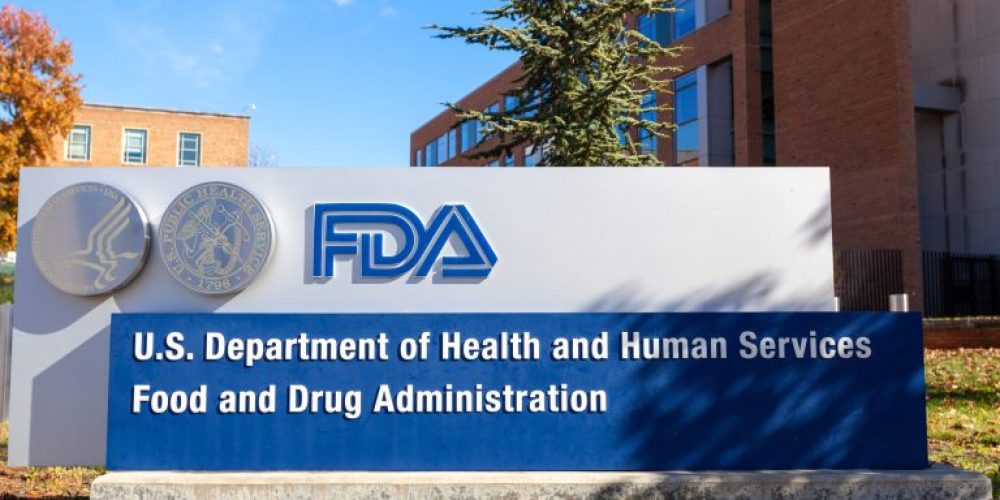
A senior official at the US Food and Drug Administration warned that speeding up vaccine approvals to satisfy political demands could put public safety at risk and damage trust in the agency. The remark came during a period of intense debate over how quickly new vaccines should reach the market and whether regulators should overhaul existing review systems.
According to the official, the FDA faces growing pressure from political leaders who want faster authorization timelines. The push reflects frustration from some policymakers who argue that excessive regulation slows innovation, drives up costs, and prevents lifesaving drugs from reaching Americans when they need them most. They contend that government should streamline bureaucracy and reduce what they view as unnecessary hurdles.
The FDA defended its current structure, saying that vaccine evaluation requires time, data, and independent oversight. The agency argues that cutting steps would not make products safer or more efficient. Instead, regulators say a rushed process may increase the risk of failures that erode confidence in public health systems. The official noted that the US drug approval system, while slow, has historically delivered high safety standards compared with other countries.
Concerns over political influence have intensified since congressional leaders began pushing for major reforms that could give lawmakers more control over regulatory decisions. While proponents say their goal is accountability and transparency, critics worry that elected officials lack the scientific expertise to evaluate health risks. They fear political motivations could overshadow clinical evidence, especially during election cycles when pressure to deliver quick wins increases.
The dispute has also raised deeper questions about how the country handled previous emergencies. During the Covid-19 pandemic, vaccine manufacturers worked under accelerated timelines through emergency FDA pathways. Although that experience helped save lives, it also sparked misinformation, public skepticism, and legal battles. For FDA officials, the pandemic illustrates why acceleration must remain rare and strategic rather than default practice.
The current debate has extended beyond safety concerns. Pharmaceutical companies fear that unpredictable rules could disrupt investment planning and slow research pipelines. They say innovation depends on regulatory clarity, stable timelines, and scientific rigor. Meanwhile, some advocacy groups argue that delays in drug approval harm low-income and high-risk communities who lack access to emerging treatments.
The FDA suggested that reforms should focus on improving efficiency rather than dismantling safeguards. The official acknowledged that the agency can reduce paperwork, modernize data systems, and improve transparency, but insisted that science must remain the foundation of decision-making. Health experts warn that shortcutting trials may save time upfront but create long-term economic and medical consequences.
The debate arrives at a moment when new vaccines for infectious diseases, cancer, and chronic illnesses are in development. The FDA expects a wave of next-generation products over the next decade, further increasing pressure on the system. Experts say that technological progress requires robust evaluation frameworks, not weakened ones, especially as therapies become more complex.
Public trust remains a central issue. Polling shows that confidence in government health agencies declined during recent crises. Regulators fear that politicized approval processes could deepen that distrust and reduce vaccination rates in future outbreaks. They argue that maintaining consistent standards helps reassure the public, even when the process is slow.
As lawmakers continue to pursue reforms, the FDA is attempting to balance practical improvements with its core mandate: protecting Americans from unsafe medical products. For now, the agency appears determined to resist efforts to prioritize political speed over scientific evidence.