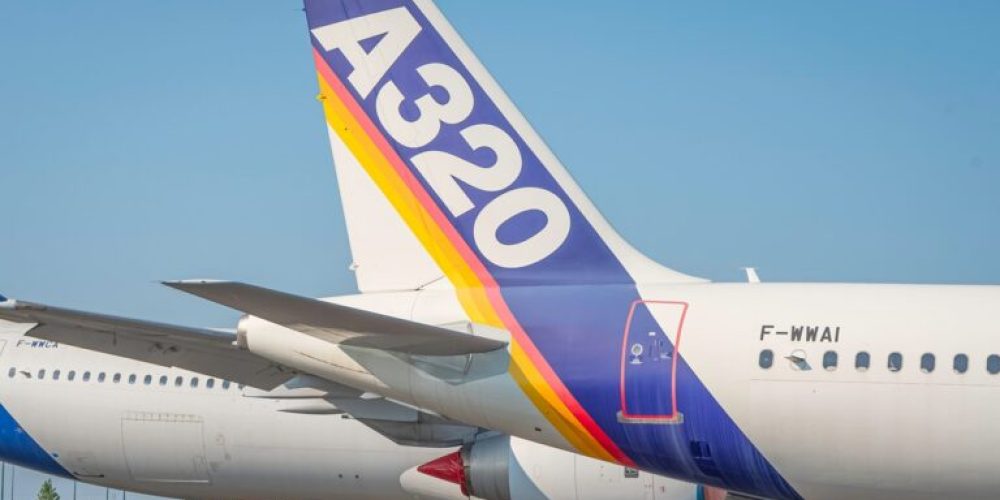
European plane maker Airbus (A320) is facing a fresh hurdle after discovering a quality defect in metal fuselage panels on a portion of its widely used A320 passenger jets. The announcement comes just days after the company wrapped up a major software-driven recall affecting around 6,000 of those aircraft — and it threatens to disrupt delivery schedules and investor confidence.
What Happened
On Monday, Airbus confirmed that a “supplier-quality issue” affected a limited number of fuselage panels on A320-family jets.
As a precaution, the company is inspecting all potentially impacted aircraft — acknowledging that only some will require further action.
Newly manufactured panels already meet quality standards, Airbus said.
Industry insiders told Reuters that the issue may involve several dozen jets currently in production. The problem appears to have emerged during a batch production process.
While there’s no immediate evidence that planes already in service are affected, some upcoming deliveries have already been delayed.
Why This Matters
This development lands at a critical moment for Airbus. Just days ago, the company ordered an emergency software update affecting 6,000 A320 jets worldwide. That earlier recall responded to a flight control problem tied to intense solar radiation, which had caused a serious safety incident.
Although airlines globally rushed to install the software patches — getting most of the affected jets back in service — fewer than 100 still await modification.
Now, the metal-panel flaw adds a second front of concern. The defect puts pressure on Airbus’s ability to meet its full-year delivery target: roughly 820 aircraft. As of November, Airbus had delivered 657 jets — leaving about 160 to clear before year-end, requiring a record-setting delivery run for December.
The added inspections and potential replacements could slow deliveries. Some analysts now believe Airbus might fall short of its target.
Market Reaction & Moving Forward
Investors reacted swiftly. Airbus shares dropped by up to 10% in early trading, reflecting concerns over production delays and reputational damage.
Airbus, however, emphasized that the defect’s source has been contained. The company also reiterated that new panel production now meets required standards.
Executives said they’re conducting a thorough inspection process and will only take corrective action on aircraft that actually need it. For jets coming off the assembly line, the company said quality compliance remains intact.
Still, the timing couldn’t be worse. Both defects — in software and fuselage — have hit when the manufacturer is under intense pressure to wrap up its 2025 delivery goals. Delays could ripple down to airlines waiting for their jets, and potentially affect air travel capacity well into next year.