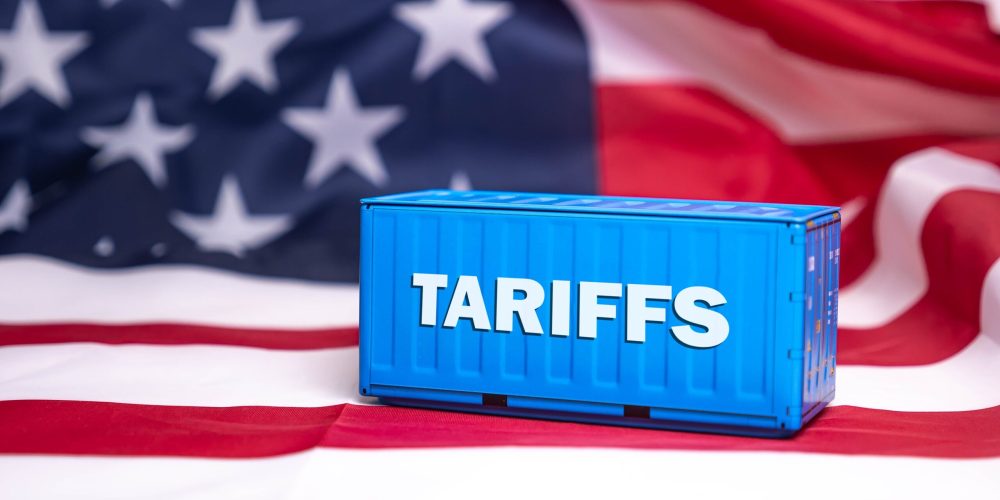
Small retailers across the United States are heading into the holiday season with rising worry as new import tariffs disrupt supply chains and inflate operating costs. Many shop owners say the recent tariff expansion, introduced under President Donald Trump’s trade policy, has created severe complications at a time when they depend heavily on seasonal sales.
The new duties affect a broad range of consumer goods, including toys, electronics, apparel, and home décor — all key sellers during November and December. Retailers who rely on overseas suppliers, especially those importing from China, now face sudden cost spikes and delayed shipments. These challenges leave businesses scrambling to secure enough inventory before the peak shopping period.
Several store owners report that suppliers revised prices with little notice, pushing some holiday items beyond what small shops can absorb or pass on to customers. These retailers operate on tight margins and lack the large-scale ordering power of national chains. As a result, they are more vulnerable to cost swings and unexpected supply chain pressure.
Many say the tariffs have forced them to reduce product variety, shrink purchase quantities, or seek alternative suppliers in different countries. However, shifting to new vendors is time-consuming and risky. Some retailers also shared fears that they may need to raise prices, a move they worry could drive customers to cheaper online competitors.
Explore More : President Trump Announces 10% Increase in Tariffs Targeting Canada
Import delays add another layer of difficulty. Some shipments now face extended customs inspections or route changes as suppliers adjust to new regulations. A few retailers mentioned that their containers are stuck in transit, leaving them without key seasonal inventory they usually showcase by late November. With Black Friday and Cyber Monday already passed, retailers feel they are racing against time.
Industry analysts warn that holiday disruptions may impact overall sales performance for smaller businesses this year. They note that while large retailers can pivot quickly, smaller shops depend on stable costs and predictable deliveries. If customers cannot find what they want locally, they often turn to e-commerce platforms that maintain deeper inventories.
The uncertainty also affects long-term planning. Many small retailers say they cannot forecast next year’s supply needs because they do not know how the tariff structure may evolve. Some worry that continued trade frictions could reshape the retail landscape, pushing more independent shops out of the market.
Despite the challenges, some businesses are trying to stay optimistic. A few retailers are promoting locally made or regionally sourced products to reduce reliance on imports. Others are focusing on personalized customer service and in-store experiences to differentiate themselves from mass-market competitors. Still, they acknowledge that the tariff shock has added new pressure during the most important shopping season of the year.
As the holidays approach, small retailers continue to monitor the situation closely. Many hope for government decisions that may bring stability, but for now they must navigate unpredictable costs, supply constraints, and a market shifting under their feet.