Homeowners across the United States are facing rising insurance premiums as climate-related disasters, rebuilding costs, and tightening underwriting rules reshape the housing market. New data shows that the average annual cost of homeowners insurance continues to climb, leaving many households searching for ways to manage higher bills or struggling to secure coverage at all.
The latest figures indicate that national premiums vary widely by state. High-risk regions, such as Florida, Louisiana, and Texas, see the steepest increases due to hurricanes, flooding, and severe storms. In contrast, states with fewer natural hazards tend to have more stable pricing. Still, the overall national trend shows a steady upward movement as insurers reassess exposure to growing climate pressures.
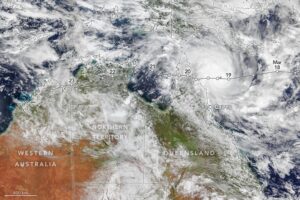
One of the biggest drivers of rising premiums is the surge in natural disasters. Insurers face higher claims and more frequent payouts after storms, wildfires, and extreme weather events. That has pushed companies to adjust risk models and charge higher prices to compensate for increased volatility. Rebuilding costs have also surged due to higher labor and material prices, which directly impacts how much insurers must pay out when homes are damaged or destroyed.
Some states face an even tougher reality: insurers are pulling back entirely. Several major companies have limited new policies or exited certain markets where risks can no longer be priced sustainably. That has created coverage gaps, leaving displaced homeowners to rely on more expensive state-backed insurance programs or forced to accept policies with reduced protections.
Experts advise homeowners to review their policies regularly to avoid unexpected shortfalls. Many standard policies cover structural damage, theft, and liability, but they often exclude flood or earthquake protection. In high-risk areas, those extra coverages may be essential. Underinsuring a property can lead to severe financial strain when disaster strikes.
Despite the rising costs, there are steps homeowners can take to manage their premiums. Improving home safety—such as installing storm shutters, upgrading roofing materials, or adding fire-resistant features—may help reduce rates. Bundling home and auto insurance or increasing deductibles can also lower premiums, though these strategies come with trade-offs.
Insurance professionals recommend comparing policies from multiple companies rather than renewing without review. Premiums and coverage can differ significantly between providers, and shopping around can uncover better offers. Still, options may be limited in states where insurers have tightened their acceptance criteria.
The rising costs pose broader economic concerns, too. Higher insurance expenses add pressure to household budgets already strained by rising mortgages, taxes, and general inflation. For some, these trends raise questions about long-term affordability, especially in disaster-prone regions where both living costs and climate risks continue to climb.
As climate events grow more frequent and severe, experts warn that insurance inflation may not ease soon. The industry is under growing pressure to adapt while balancing risk and affordability. For millions of homeowners, the challenge will be finding reliable coverage at a price that fits their budget in an era of escalating environmental uncertainty.
Read More : Obamacare Premiums to Double: A Post-Halloween Shock for U.S. Health Insurance