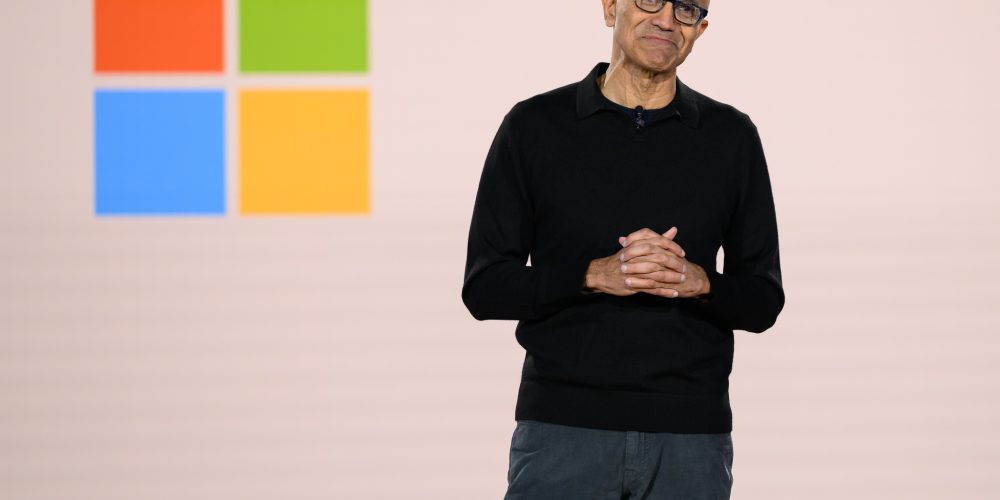
Microsoft CEO Satya Nadella is urging employees and the wider tech community to look beyond viral memes and social-media trends when assessing company culture. His comments come at a time when screenshots, jokes, and online commentary often shape public perception of workplaces—sometimes more than actual day-to-day experiences inside those organizations.
Nadella emphasized that the true character of a company cannot be captured through posts designed for quick likes or humorous effect. Instead, he argues that culture grows from long-term behaviors, shared goals, leadership decisions, and meaningful interactions among employees. According to him, memes may be entertaining, but they do not reflect the complexity of a global workforce navigating real challenges.
The discussion emerged as tech employees across the industry increasingly share internal frustrations, workplace humor, and corporate criticisms on platforms such as X, Instagram, Reddit, and TikTok. These posts often go viral, creating narratives about employee dissatisfaction or mismanagement.
Microsoft has spent nearly a decade reshaping its identity under Nadella’s leadership. When he became CEO, the company faced criticism for internal divisions and rigid management practices. Since then, Microsoft has focused on collaboration, empathy-driven leadership, cloud innovation, and a more open culture. Nadella maintains that these changes are rooted in action—not internet commentary.
He also noted that a company’s culture should be measured by how it treats its people, how teams collaborate, and how leaders support growth. Metrics such as internal trust, transparency, and accountability matter far more than any trending online joke. Nadella’s message underscores the belief that culture must be built intentionally, not shaped by public opinion cycles.
The CEO’s remarks resonate at a time when many tech giants face intense scrutiny from employees and users. Viral memes about layoffs, return-to-office mandates, AI decisions, and executive missteps often dominate technology conversations. While these posts amplify real frustrations, Nadella believes they can distort the broader reality and overshadow progress happening behind the scenes.
Industry analysts say his stance reflects a growing challenge for leadership in the digital era. Companies operate in an environment where any internal decision can spark online backlash within minutes, and workplace gossip can reach millions of people instantly. Leaders must balance transparency with thoughtful communication while acknowledging that not all social-media narratives represent the whole truth.
For employees, Nadella’s comments serve as a reminder to look at culture through everyday interactions, not viral humor. He encourages teams to stay focused on meaningful work, long-term goals, and trust-building practices. Culture, in his view, is something employees shape collectively—not something defined by anonymous posts.
As Microsoft continues to expand its influence in AI, cloud services, gaming, and enterprise tools, maintaining a strong internal culture remains a priority for Nadella. He views culture as a strategic asset that drives innovation, retention, and long-term success. And while memes may offer comic relief, they cannot replace the real work required to build a thriving organization.
Related News: Microsoft AI CEO Mustafa Suleyman Forces Employees to Office, Demands Open Desks