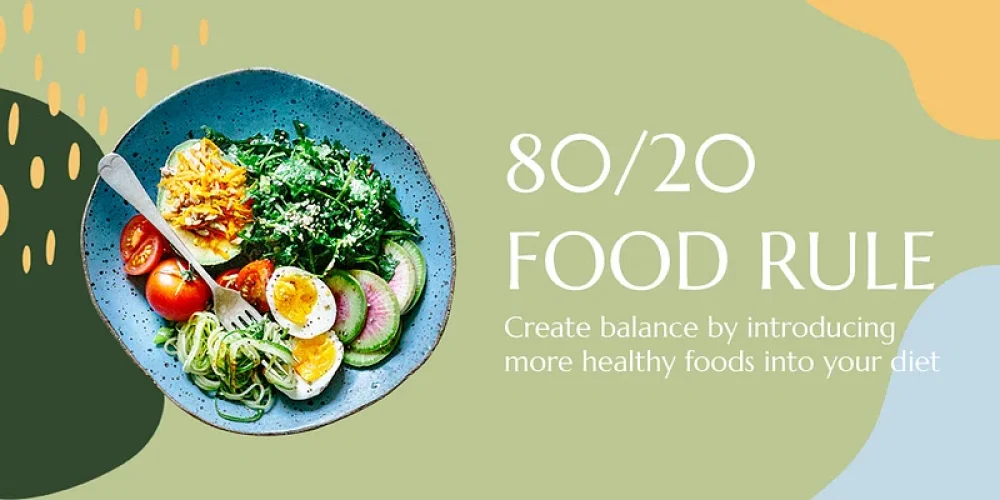
Many people struggle to balance nutritious eating with everyday cravings, but one dietitian says it doesn’t have to be complicated. The 80/20 eating rule has emerged as a practical approach that encourages consistency instead of perfection, and nutrition experts believe it can help people build healthier habits without extreme restrictions.
The rule works on a simple idea: eat nourishing, whole foods most of the time, and enjoy indulgent meals the rest of the time. This flexible method reduces guilt and supports long-term discipline. According to registered dietitians, the structure allows people to stay committed to their goals while still living a normal social life.
The approach places strong emphasis on protein and fiber because both nutrients play a key role in appetite control and energy levels. Many dietitians recommend prioritizing lean protein sources such as chicken, eggs, beans, and Greek yogurt. Fiber from fruits, vegetables, legumes, and whole grains also helps people feel full for longer and supports digestion. When these foods appear in most meals, cravings decrease naturally.
Experts say the 80/20 balance helps prevent the cycle of strict dieting followed by overeating. People often abandon extreme diets because the rules feel unrealistic. This method instead promotes sustainability. Individuals can attend celebrations, enjoy dessert, or order takeout without feeling they failed their diet. The freedom encourages confidence and reduces stress around food choices.
The dietitian highlighted in the report uses this approach personally and teaches it to clients who want structure without rigidity. She recommends focusing on balanced plates during the week and leaving space for flexible eating on weekends or special occasions. In her view, healthy eating should be enjoyable and fit naturally into a person’s lifestyle.
She also stresses that people should plan their meals when possible. Preparation helps keep the “80%” strong by making nutritious options easier to grab. Pre-cut vegetables, high-protein snacks, and simple meals like stir-fries or bowls help people stay on track even during busy days. Meanwhile, the remaining “20%” covers foods like pizza, sweets, or drinks that many people don’t want to give up entirely.
Dietitians say mindset plays an important role in the success of this method. Instead of labeling foods as “good” or “bad,” the rule reframes eating as a balance. That shift reduces the emotional pressure tied to dieting and encourages people to trust their choices. When the majority of meals support health, small indulgences do not derail progress.
The 80/20 method also adapts well across different goals, whether weight management, improved energy, or better digestion. Because it focuses on adding nutrients instead of eliminating food groups, many people find it easier to maintain for years instead of weeks.
Health professionals note that the method is not about exact numbers. It’s more about the general pattern of eating well most of the time. The flexibility can be customized to individual needs, making it appealing for families, busy professionals, or anyone tired of unsustainable diet trends.
As more people look for realistic wellness strategies, the 80/20 eating rule continues to gain attention. Dietitians believe its blend of structure and freedom helps people develop confidence in their daily food choices and build long-lasting habits.
Read More : Mediterranean Diet Linked to Longer Life and Lower Disease Risk, New Research Finds