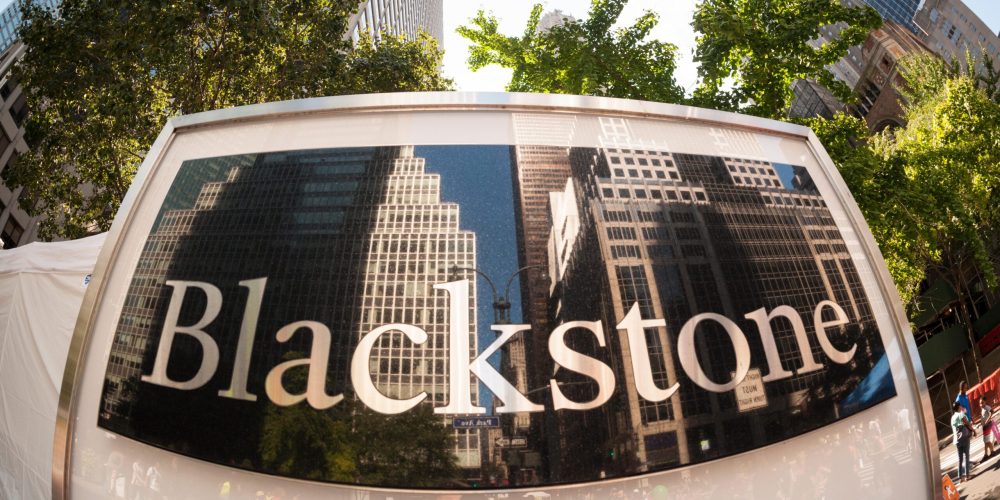
Blackstone moved quickly to stabilize its workforce and restore operations after a deadly shooting at its 345 Park Avenue headquarters. The tragedy, which involved a former employee entering the building and opening fire, forced the firm to activate its emergency response systems and deploy a coordinated strategy across its HR, security, and communications teams.
The incident shocked employees across the company. Many workers were in the building when the shooting occurred, and others watched the crisis unfold through internal alerts and news updates. Blackstone’s leadership immediately shifted its focus to staff safety and emotional support. HR teams contacted employees, arranged evacuation procedures, and worked closely with law enforcement to secure the site.
Within hours, the firm set up dedicated counseling resources. Blackstone encouraged employees to take time off and offered both virtual and in-person mental health support. Senior executives held open forums to address questions, acknowledge widespread anxiety, and reinforce the company’s commitment to staff wellbeing. Leaders emphasized that healing would take time and that employees should lean on available resources.
Blackstone also prioritized transparency throughout the crisis. The firm issued internal communications to clarify what had happened, explain safety protocols, and provide updates as authorities conducted their investigation. Employees later said the rapid, honest communication helped reduce confusion and fear during the chaotic day.
The HR team played a central role as the situation evolved. They assisted staff members who witnessed the event, coordinated with building management on access restrictions, and ensured teams could work remotely if needed. Managers received guidance on how to support employees emotionally and reduce work pressure in the days following the incident.
A key challenge was restoring a sense of normalcy. Blackstone reopened parts of the office only after multiple security assessments. The company introduced enhanced building protocols, including increased security presence, updated access controls, and detailed emergency training for staff. These changes aimed to reassure employees that the space was safe before they returned.
The tragedy also prompted internal discussions about long-term workplace safety. Company leaders acknowledged that even the most secure corporate environments can face unexpected threats. As a result, Blackstone is reviewing its safety practices and evaluating whether additional preventive measures are needed. Industry experts say the firm’s response could influence how major financial institutions prepare for workplace crises in the future.
Employees described the company’s support as essential during a traumatic moment. Many said the firm’s empathy, clear communication, and willingness to adapt helped them cope. HR specialists noted that large organizations must balance operational continuity with compassion when facing violent incidents.
Blackstone’s response demonstrates how major firms handle modern security challenges. The combination of real-time crisis management, mental health resources, and transparent leadership helped the company navigate an event that deeply affected its workforce. As the investigation continues, the firm remains focused on supporting staff and reassessing its safety frameworks to prevent future threats.
The shooting left a lasting impact, but employees say the company’s swift actions helped restore stability. Blackstone’s experience now serves as a case study in corporate crisis response, highlighting the importance of preparation, communication, and empathy during workplace emergencies.
Want Some More News : Merck Secures $700M Investment from Blackstone to Fast-Track Next-Gen Cancer Drug